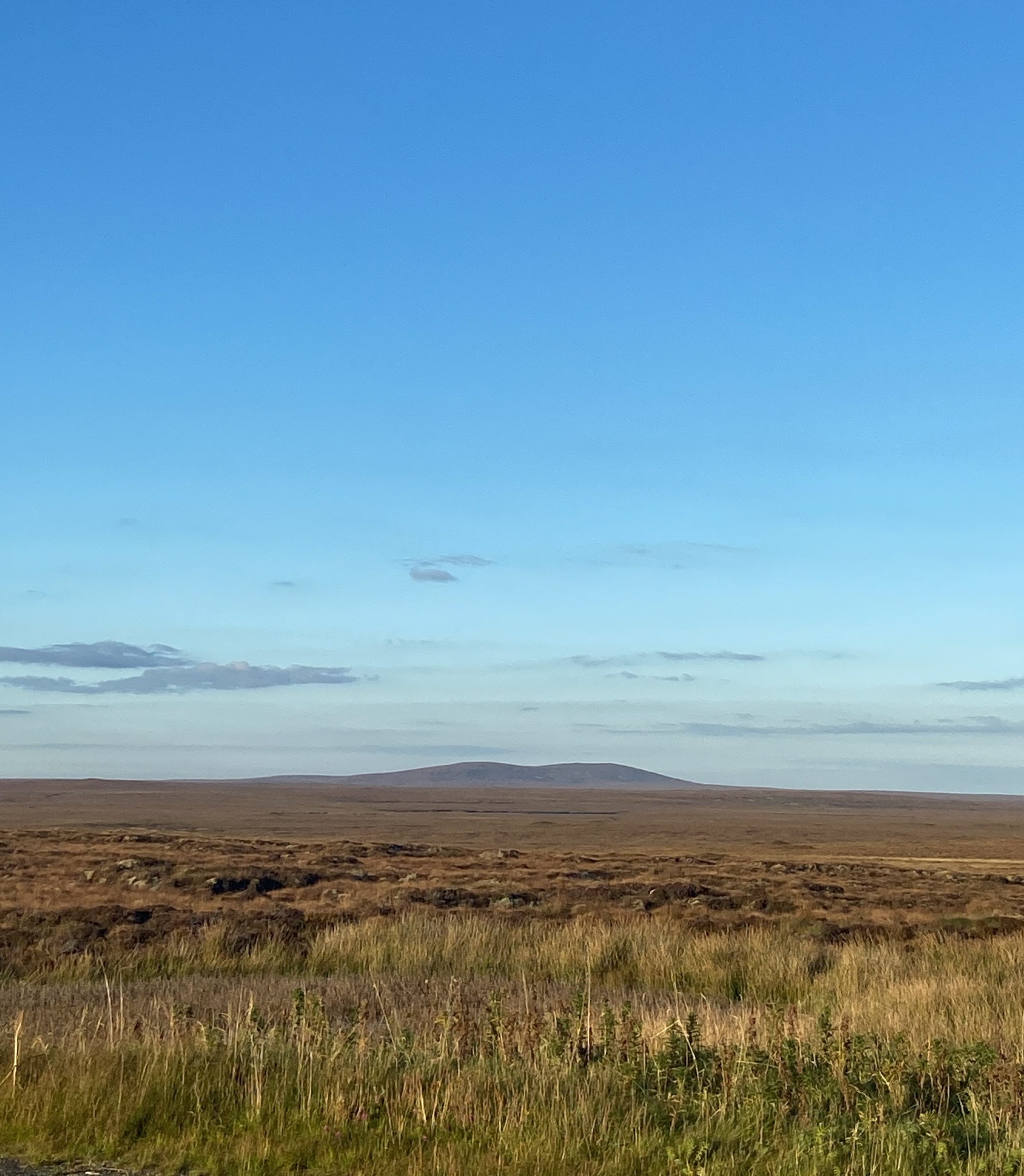
Nothing Rests, Nothing Stays.
Deep Time and the Isle of Lewis.
“We, this people, on a small and lonely planet.” — Maya Angelou
I have been thinking of the island and deep time. The Isle of Lewis.
My personal experience of time doesn’t allow me to comprehend it well. It is like looking at the night sky.
As the writer Frank Rennie said. Geology is a subject that gets very complicated very fast. But I had questions like, where did the moor come from? Where did the machair come from?
When you cut peat, after you’ve cut the lowest level, you hit a hard layer - an cruas, we call it in Gaelic. It made a different sound to metal hitting solid rock. It was like the door of a tiny Volkswagen closing. Thwunk.
I always wondered what was it, that layer?
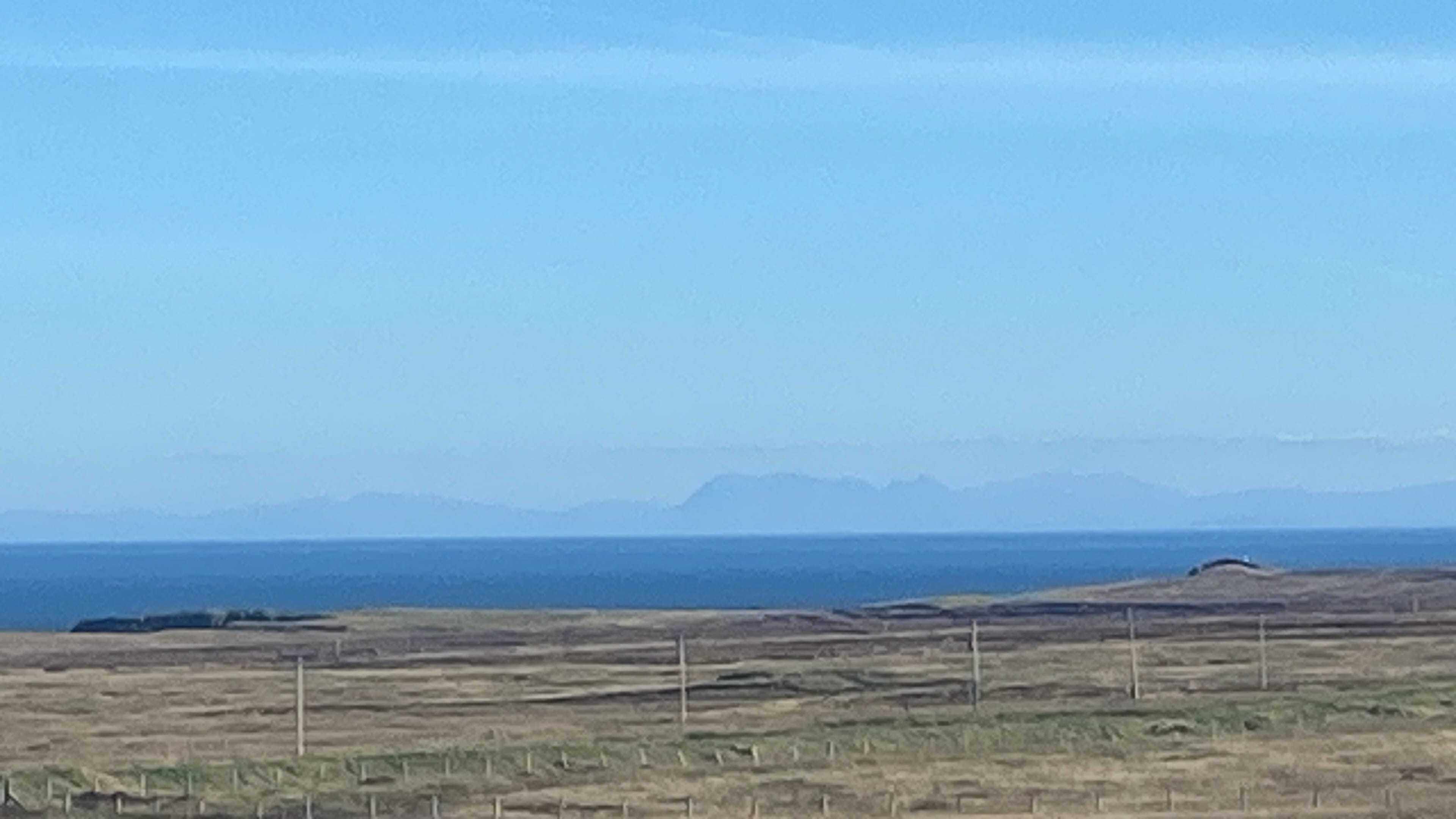
When you look across the water to Assynt, the mountains rise out of the ground. Lonely little islands of sandstone. They weren’t worn down by time or glaciers because of the quartzite caps they had which protected them.
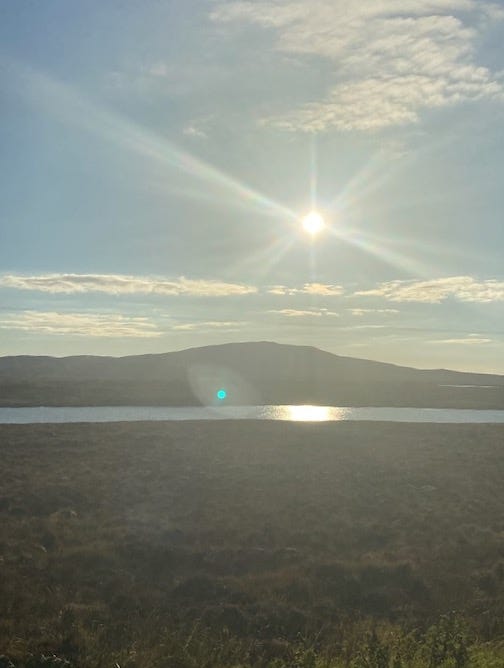
But most of the Isle of Lewis was scoured by glaciers down to the bedrock. Although, interestingly! there were about 16km of coastline at the very north of Lewis which remained ice-free even at the peak of the last glaciation. Isn’t that amazing? They carbon dated an organic deposit at Toa Galson which gave dates older than 47,000 years old.
The bedrock is Lewisian Gneiss. It is around three billion years old in places. It began as different kinds of rock deep within the Earth’s crust — some originally molten, others laid down as sediments. Over deep time, pressure and heat worked on these rocks and transformed them. The minerals reorganised into bands of light and dark, giving gneiss its striped appearance. It’s estimated this happened around 60 kilometres underground.
Later mountain-building events lifted these deep rocks upward, then hundreds of millions of years of erosion — capped by the grinding of glaciers — eventually stripped everything above them away, leaving the gneiss exposed at the surface.
And the ‘cruas’ is what is left over from when the final great cold ended and the glaciers began to melt about twelve thousand years ago on the island. When the glaciers melted, they left behind the till which formed this layer. The pulverised remains of what rock there once was on the island as well as whatever gneiss the ice had managed to prise off the bedrock, mixed with silt and clay.
The great weight of the hundreds of metres of ice compacted it as well, meaning water couldn’t drain through it. So it filled up like an enormous pail. The waterlogged conditions mean that plants didn’t decompose, instead it accumulated, fractions of a millimetre a year. The moor.
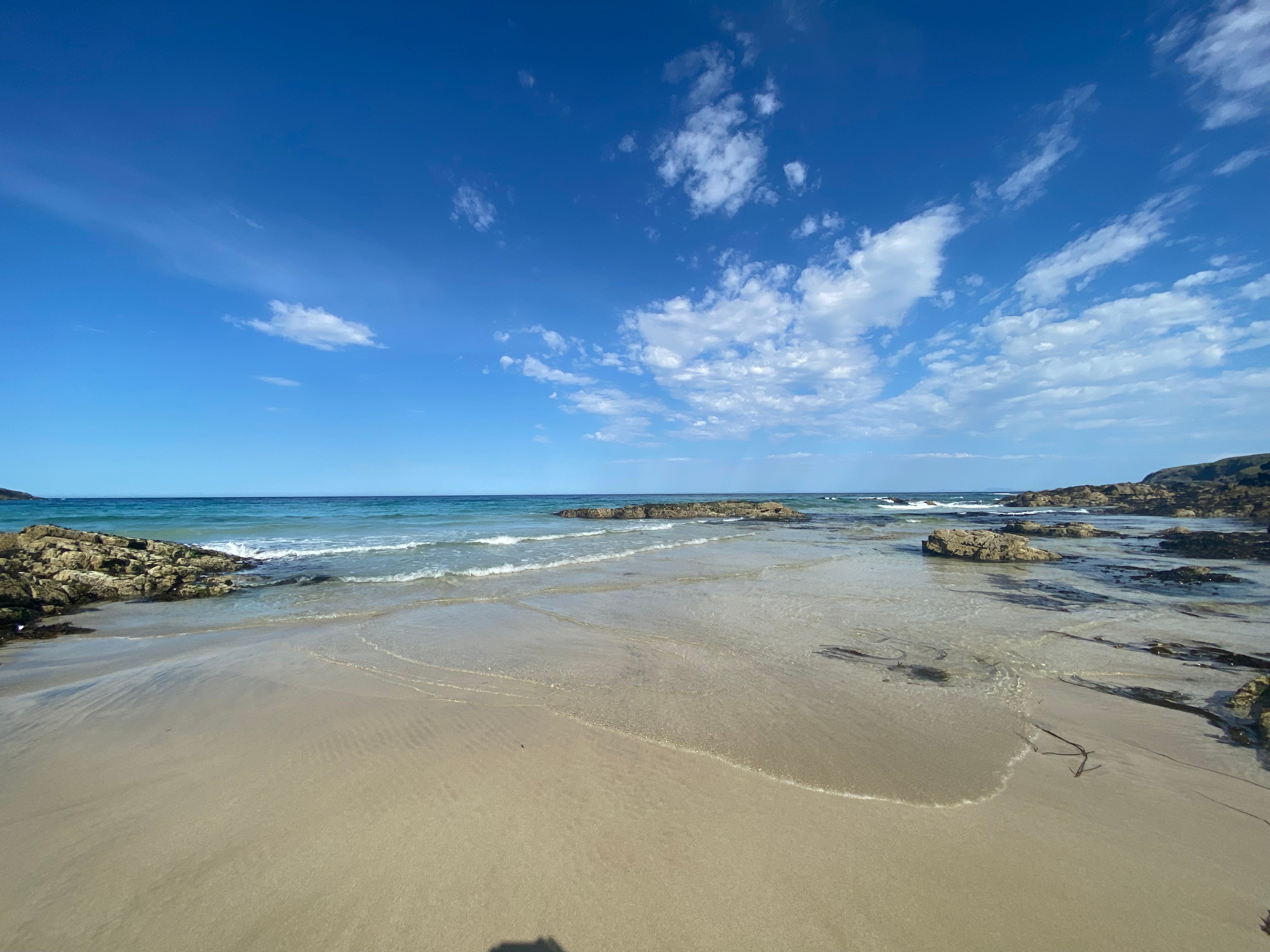
What is the machair? The white sand of Lewis is made up of the shells of sea creatures, crushed to sand. The wind moves the sand into the interior where plants and grasses stabilise it.
Imagine the scale of that.
The machair was good for growing food. The peat was fuel. The stone for building.
I used to get £20 a day for cutting peats with Aonghas Iain Thàbaidh when I was in school. We got a lunch break and two tea breaks. But sometimes there would be a big squad out, there would be a fire on to make tea. After the war there were much bigger squads going out, with a massive tent and a three course meal for lunch.
You measure the amount of peats cut by the tairsgeir. Two “tairsgeirs”. Two people cutting peat for two days. Cutting peats, you have your head down a lot, bent over. Stuck in one version of time, the island in another entirely. The young me, with no thought for time and with no way to change it if I did. The time passes under our feet. But at times, it is also sweet.
Gaelic Version.
Tha mi air a bhith a’ smaoineachadh air an eilean agus tìm. Eilean Leòdhais. ’S e cuspair a th’ ann a tha uaireannan duilich greumachadh air. Coltach ri coimhead air na speuran.
Mar a thuirt an sgrìobhadair Frank Rennie, ’s e cuspair a th’ ann an geòlas a tha a‘ fàs gu math toinnte, gu math luath. Ach bha ceistean agam man - “co às a’ thàinig a’ mhòinteach?” agus “Cò às a thàinig a’ mhachair?”
Nuair a tha thu a’ buain ma mònach, nuair a tha thu sa bhroinn, tha an tairsgeir a’ bualadh a’ chruais. Chan eil e coltach ri bhith a’ bualadh clach idir. Tha e coltach ris an fhuaim a nì doras Volkswagen nuair a dhùnas e. Thwunk.
Bha mi a-riamh a’ wondraigeadh dè bh’ ann an sin.
Nuair a choimheadas tu thar a’ chuain gu Asaint, chì thu na beanntann, a tha air an dèanamh a-mach à gainmheach-chlach. Eileanan beaga. Cha deach an sgùradh sìos gu neoni air sgàth ’s na mullaichean quartzite a bh’ orra.
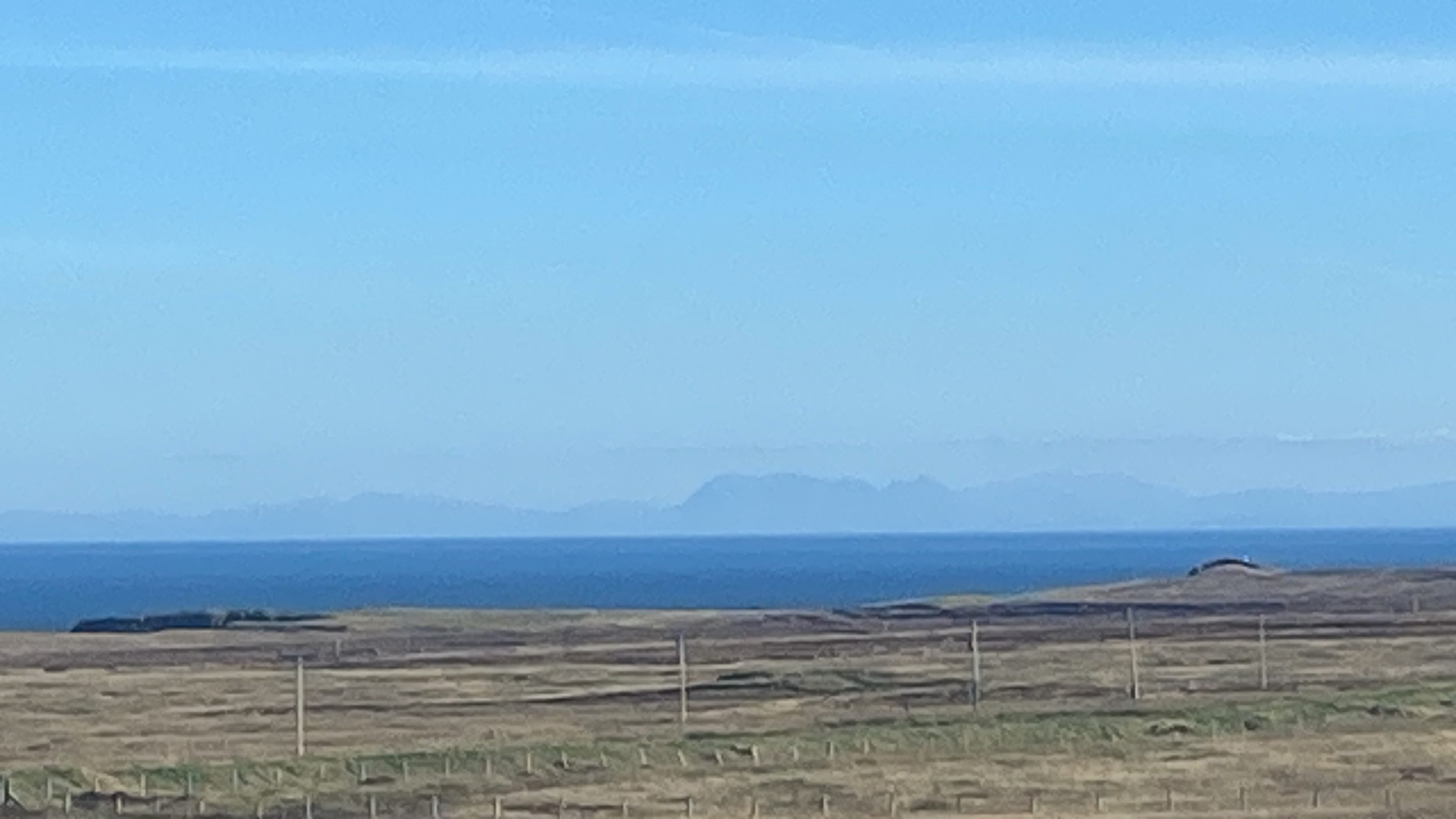
Ach bha a’ mhòr chuid dhen eilean air a sgùradh sìos dhan fo-chreig - Gneiss Leòdhasach. Ach! Agus tha seo inntinneach, tha pàirt dhen costa - mu 16km - anns nach do sruc na h-aibhnichean-deighe. Nach eil sin annasach! Lorg iad tasgadh organach ann an Toa Ghabhsainn a bha nas aosta na 47,000 bliadhna a dh’aois.
Tha Gneiss Leòdhasach, an fo-chreag, timcheall air trì billean bliadhna a dh’aois ann an àiteachan. Thòisich e mar chlach de dh’iomadh seòrsa air an amaladh ri chèile am broinn rùsg na talmhainn. Feadhainn dhiubh air an leaghadh, feadhainn dhuibh, clach-grùideil.
Thairis air ùine nan creach, dh’obraich teas agus cuideam air na clachan sin, mu 60-70 km shìos am broinn na talmhainn, agus dh’adhbhraich sin atharrachadh. Chaidh talmhionaich a chruthachadh, striopan soillear agus dorcha.
An uair sin, ghluais na clachan sin suas tro tachartasan togail-bheanntan. An uair sin, milleanan de bhliadhnaichean de bhleith-thalmhainn. An uair sin, chaidh an sgùradh le deigh - a’ fàgail an gneiss a chì sinn air a chùlaibh.
’S e th’ anns a’ chruas, na tha air fhàgail às dèidh dha na h-aibhnichen-deighe an talamh a sgùradh timcheall air 12,000 bliadhna air ais air an eilean. Nuair a leagh iad dh’fhàg iad clachan, dust mìn, crèadh air an amaladh le chèile air an cùlaibh. ’S e ‘till’ a th’ aca air seo sa Bheurla.
Le cho trom ‘s a bha an deigh, dh’adhbhraich seo gun robh an till cho cruaidh ’s nach traoghadh bùrn troimhe. Mar sin, lìon e, coltach ri peile mòr. Bha sin a’ ciallachadh nach robh lusan a’ lobhadh gu luath. Chàrn sin an àirde, milimeatair an dèidh milimeatair. A’ mhòinteach
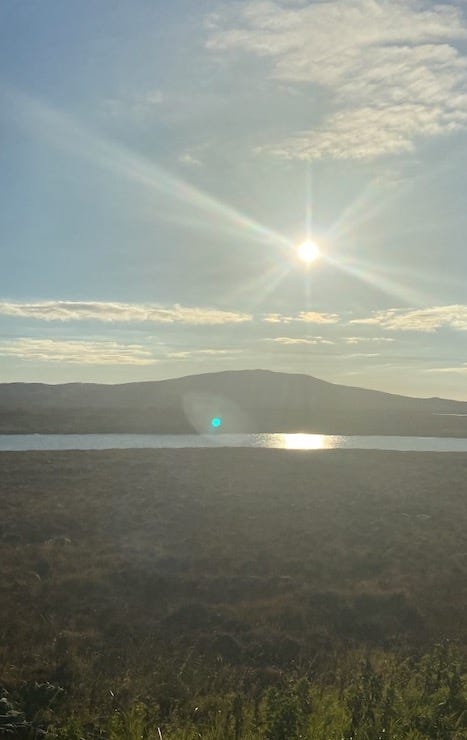
Dè th’ anns a’ mhachair agus cò às a thàinig na tràighean? ’S e sligean a th’ annta, air an pronnadh gu pùdar.
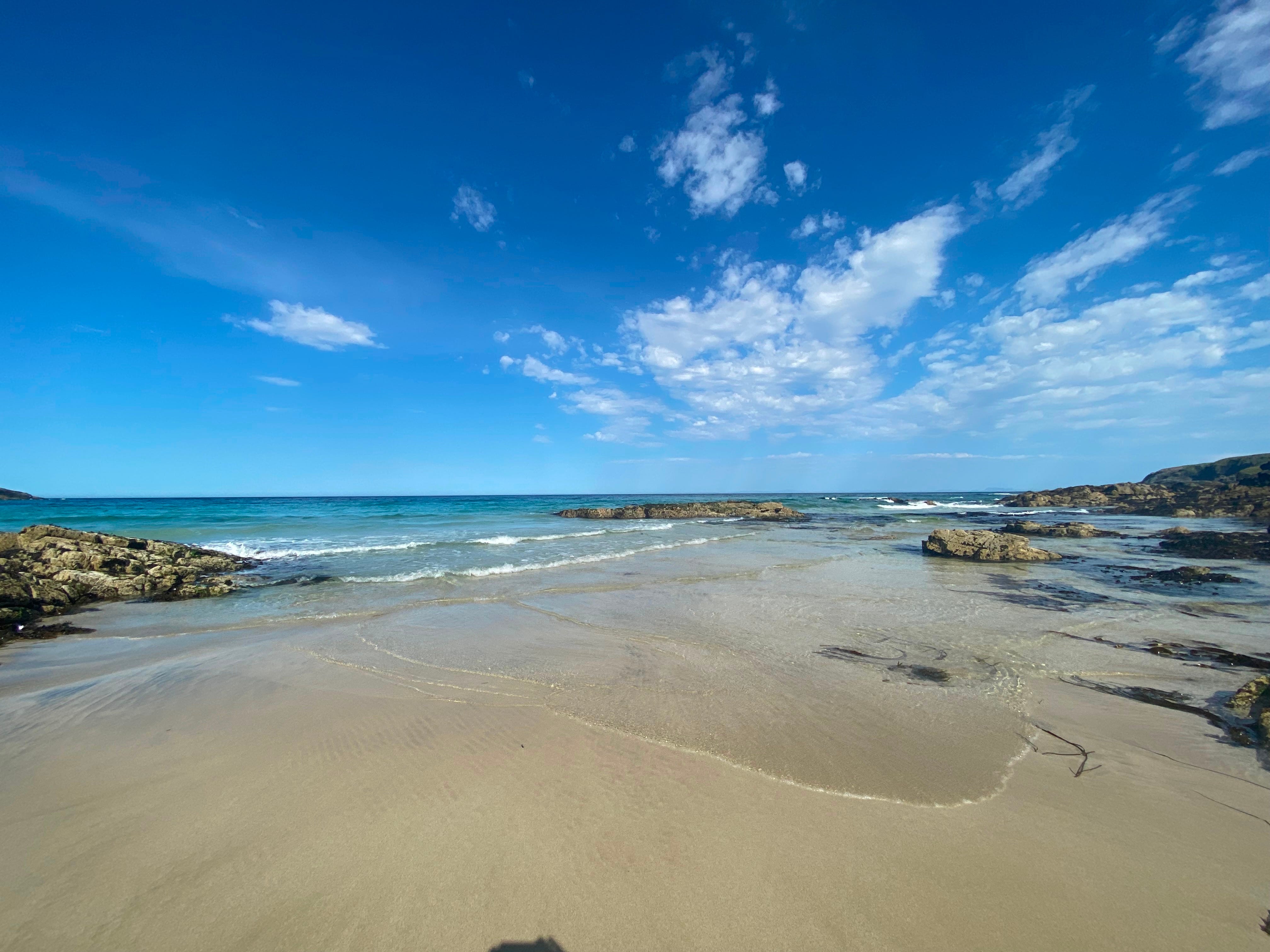
Tha a’ ghaoth ga ghluasad agus tha lusan agus glasach a’ fas ą’ mhachair airson biadh. Mòine airson teas. Clach airson taighean a thogail.
Chleachd mise a bhith a’ faighinn £20 san latha airson mòine a bhuain le Aonghas Iain Thàbaidh, nuair a bha mi san sgoil. Stadadh sinn dà thuras san latha airson teatha, agus aon turas (nas fhaide), airson na sandwiches againn.
Bidh thu a’ tomhais na tha thu air buain ann an tairsgeirean. Dà neach a’ buain airson dà latha - dà thàirsgeir de mhòine
Uaireannan bhiodh squad a’ dol a-mach agus bhiodh teine air airson coire. Às dèidh a’ Chogaidh, bha squads nas motha ann, le teantaichean agus biadh cheart.
Nuair a tha thu a’ buain, crom, tha do cheann shìos tòrr. Air an tairsgeir le Aonghas Iain, luibte. Mise steigte ann ann aon sruth, an eilean, ann an sruth thìm eile. Cha bhithinn a’ smaoineachadh cus mu dheidhinn tìm agus mar a bha e a’ gluasad fo na casan againn. Agus a’ dol seachad, ged a tha e milis uaireannan anns an dol seachad sin.